Pricing Luxury Homes In Bellevue: A Strategic Guide
January 15, 2026
January 15, 2026
Are you wondering how to price a $2M-plus home in Bellevue without leaving money on the table? You’re not alone. In Bellevue’s luxury segment, every view, finish, and block can shift value. In this guide, you’ll learn a simple, defensible process to set the right price using micro-comps, view premiums, and condition adjustments, along with a smart review plan to keep your listing on track. Let’s dive in.
Bellevue’s high-end market is powered by Eastside employers, proximity to Seattle, and premium lifestyle amenities. Inventory in the $2M-plus range is limited, and properties are highly unique. That means fewer direct comps, longer timelines, and more emphasis on features like lot size, design quality, and views.
Watch luxury-focused indicators like days on market, absorption, and active inventory from local MLS reports. Because sales volumes are lower in this bracket, lean on rolling 3 to 12-month views to filter out short-term noise. If interest rates rise or activity slows, expect longer marketing windows and tighter buyer scrutiny.
Begin with the closest, most comparable sales in your immediate neighborhood. If inventory is thin, expand your radius within 0.5 to 2 miles while keeping neighborhood continuity in mind. In Bellevue, it’s common to consider nearby enclaves such as Medina, Clyde Hill, Yarrow Point, and parts of Kirkland for >$2M comps when the subject property is similar.
Aim for sales within the last 6 to 12 months. In especially thin markets, you may widen to 12 to 24 months. If you do, document why those older comps remain relevant, such as a lack of recent sales of similar quality or lot type.
Focus on living area, finished versus unfinished space, lot size and usability, view type and quality, age and level of renovation, bed/bath count, parking, and notable amenities like a dock, guest suite, or pool. Prioritize closed sales for evidence. Treat actives and pendings as your competition and context, not proof of value.
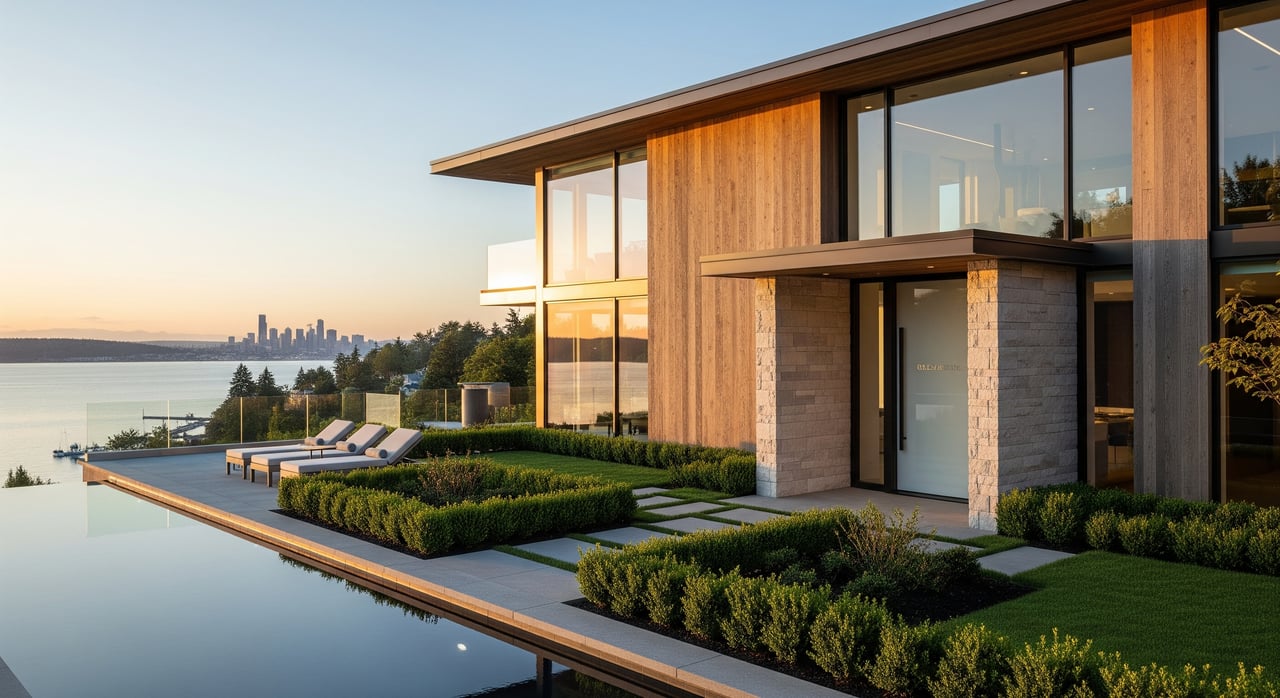
Views are not all equal. Water, skyline, or mountain views carry different buyer responses based on intensity, orientation, and seasonality. In your analysis, note whether the view is likely permanent or vulnerable to future development. Review zoning and nearby projects to assess risk.
If you can find two similar sales on the same block where one has the view and the other does not, you can infer a premium. When clean pairs are not available, present a supported range based on similar sales and local market behavior. Many brokers express view premiums as a percentage, but the exact number should be supported by Bellevue-area comps.
In luxury homes, condition is about more than wear and tear. Systems, craftsmanship, and design quality matter. Obtain estimates for any needed updates and decide whether to reflect all, some, or none of that cost in your price. Often, sellers recapture part of the cost while using the rest as a negotiation lever.
Buyers frequently pay more for homes with current design, updated kitchens and baths, and polished presentation. When a home is dated, price strategy and targeted upgrades become critical to compete with renovated listings. Use nearby renovated versus non-renovated sales to anchor your adjustments.
Price per square foot can give a baseline, but it masks big differences in lot, layout, and finish level. For Bellevue luxury properties, compare within tightly defined micro-markets and similar view tiers. Treat price per square foot as one input, not the decision-maker.
List at a price supported by a tight set of comps and a clear adjustment grid. This approach is conservative and easier to justify to buyers, appraisers, and advisors.
If you believe the market is strengthening and you have time, you can test above perceived market value. The risk is extended days on market and potential price reductions later.
In constrained inventory with a highly desirable product, pricing slightly under market can generate multiple offers and faster timelines. The tradeoff is the possibility that the market may have supported a higher price.
Off-market or pocket listing approaches can work for privacy, but the smaller buyer pool may reduce ultimate price. If you choose this route, be intentional about the tradeoffs.
Create milestone checkpoints at 14, 30, and 60 days. Track showings, inquiries, feedback, and new competing listings. Establish thresholds that trigger action, such as a specific number of showings per week or the absence of meaningful offers by a set time. Avoid reactive reductions. Make changes according to the plan you share with buyers and their agents.
Appraisers rely on closed sales and well-documented adjustments. If you price above nearby comps, prepare a package with your comp grid, photos, and market absorption data. In thin segments, under-appraisal risk can rise for financed buyers. You can mitigate by pricing conservatively, considering seller concessions, or encouraging pre-list appraisals.
For Bellevue luxury homes, targeted prep can materially improve outcomes. High-ROI items often include landscaping and curb appeal, professional staging and photography, addressing visible deferred maintenance, and selective kitchen or bath refreshes. A pre-list inspection or appraisal can reduce surprises and strengthen your pricing narrative.
If you prefer to manage upgrades without paying upfront, ask about using a concierge program to finance and coordinate improvements with payment at closing. This can help you hit the market quickly with a product that justifies your price.
Washington’s Real Estate Excise Tax applies to property sales and is based on the sale price. Your property taxes, potential capital gains exposure, and any transfer-related items can shape your net proceeds and pricing targets. Work with your accountant or attorney to understand implications before you list.
Pricing a Bellevue luxury home is part art and part science. When you combine micro-comp discipline, a clear view and condition strategy, and a proactive review plan, you put yourself in position to achieve a strong result. If you want a tailored pricing narrative, curated pre-list improvements, and polished luxury marketing on the Eastside, reach out to Cheryl Hill.
Stay up to date on the latest real estate trends.
Cheryl is humbled and honored to serve buyers and sellers in the often difficult process of buying or selling a home. Contact Cheryl today to discuss all your real estate needs!
Contact Cheryl To Learn More

ADDRESS
700 110th Ave NE #270
Bellevue WA 98004