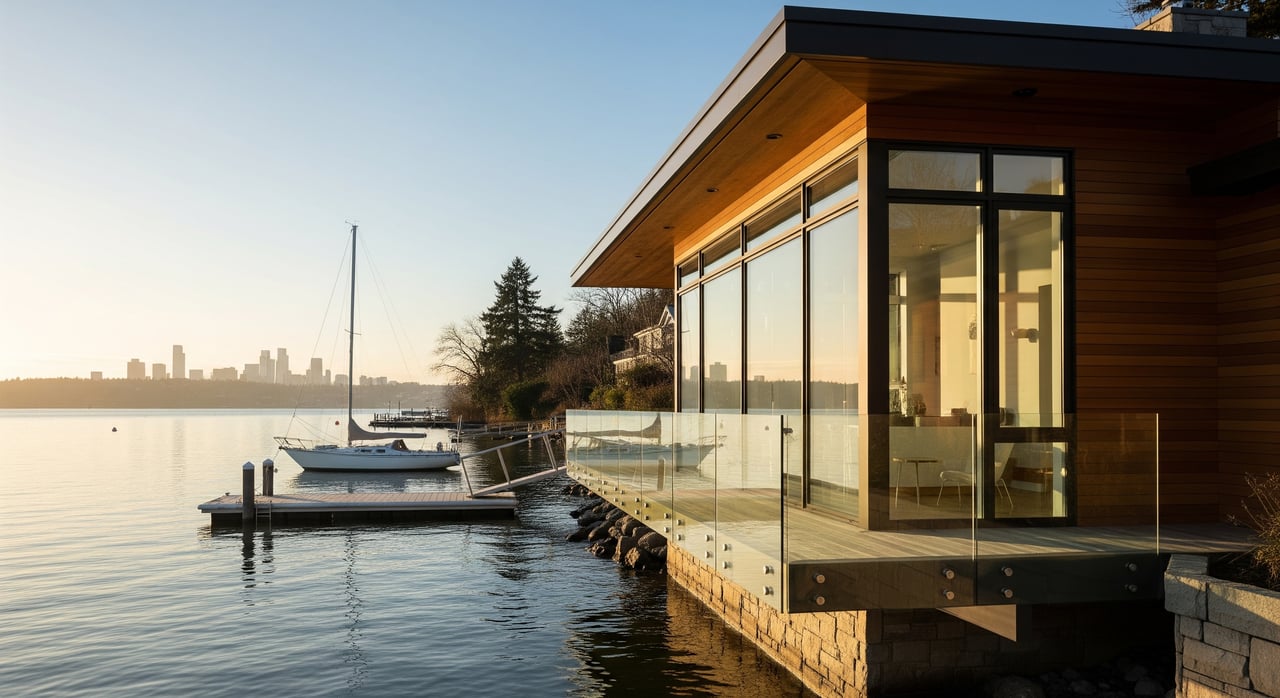
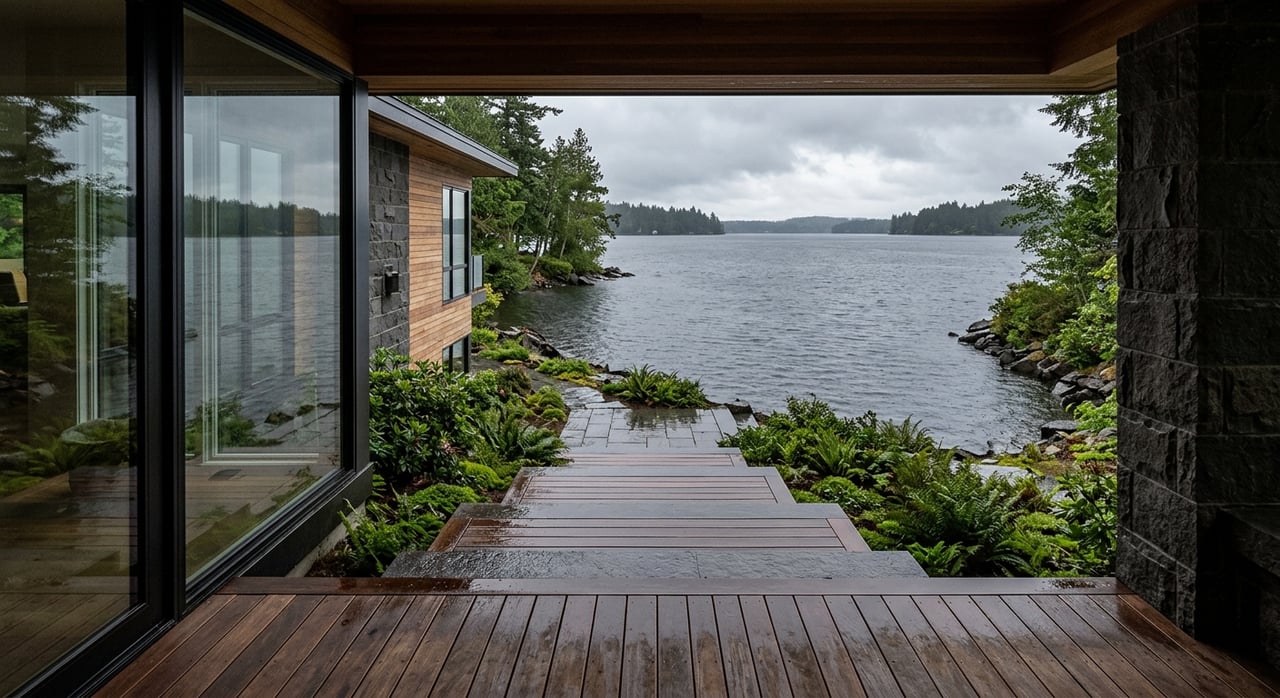
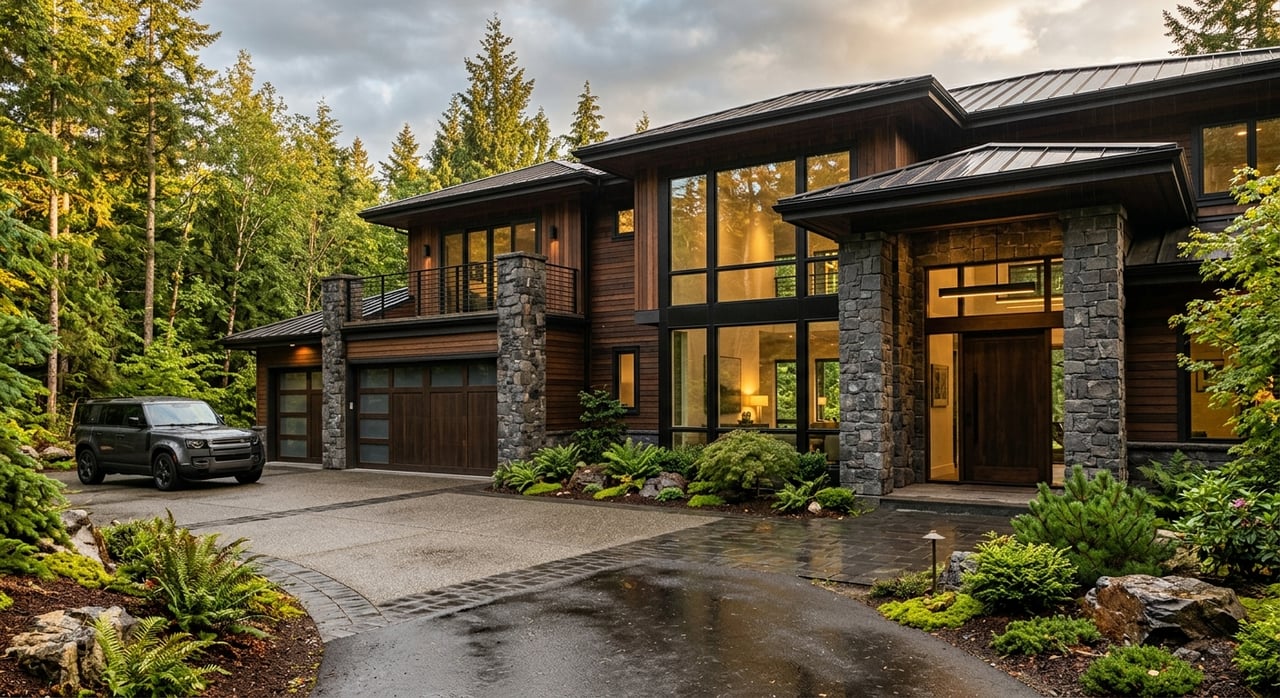
Thinking about making a move on a Lake Washington home in 98122? You are not alone. The Seattle and Eastside markets can be fast, and lakefront features add complexity you will not see in a typical city home. This guide shows you how to use pre-inspections and contingencies to protect your interests without losing your competitive edge. Let’s dive in.
Pre-inspections, defined
A pre-inspection is a buyer-arranged inspection completed before you submit an offer. It requires seller permission to access the property. A seller might also share a pre-listing inspection they ordered before going to market. Both differ from the standard post-acceptance inspection contingency, which gives you time to inspect after you are under contract.
You will see pre-inspections most often when homes draw multiple offers or when the property is complex, such as a home with a dock, bulkhead, or steep slope. If you want to limit or remove an inspection contingency to compete, a pre-inspection can give you the confidence to do so with eyes open.
Access and timing
Sellers control access for any pre-offer inspection. Some will not allow pre-inspections to avoid disrupting showings or to keep all buyers on the same playing field. Others will allow them if you show you are serious, for example by sharing your lender pre-approval and agreeing to a tight inspection window.
If you get the green light, schedule fast. Waterfront homes often need specialists, and coordinating multiple experts takes time. Build a plan with your agent, confirm inspector availability, and be ready to move quickly when a showing window opens.
Buyer pros and cons
Pros
- More certainty on condition before you bid.
- Better ability to price your offer and set repair expectations.
- Reduced pressure to fully waive the inspection contingency.
Cons
- Upfront cost and rush scheduling before you know if you will win.
- Sellers may deny later access, so reports can age quickly if the closing timeline stretches.
- Inspector liability and standing can be limited for a pre-offer buyer; discuss scope and limitations before you hire anyone.
Inspection scope and costs
General home inspection
A standard inspection looks at the building envelope, roof, visible structure, electrical, plumbing, HVAC, and basic moisture issues. In King County, a typical single-family inspection often runs about $400 to $700 depending on size and age. Treat these as estimates and confirm current pricing with local vendors.
Waterfront specialists
Lake Washington properties can benefit from targeted reviews in addition to the general inspection. Consider the following based on the property’s features:
- Bulkhead or shoreline structure evaluation to check for settlement, toe erosion, and signs of failure.
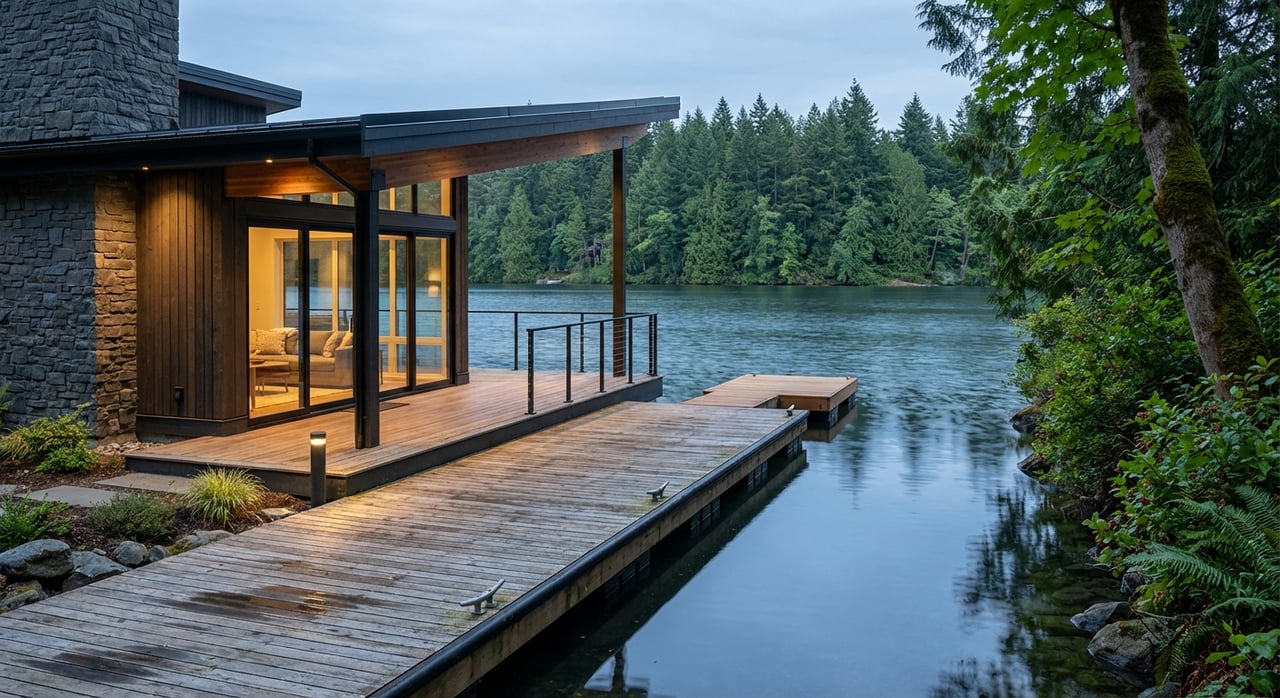
- Dock or pier review for piling condition, hardware, decay, and anchoring.
- Geotechnical or slope stability assessment where there are steep slopes, erosion, or past slide history.
- Structural engineer opinions if large shoreline stabilization systems or structural questions arise.
- Shoreline permitting and records review to confirm prior work was permitted and legal.
- Utilities check to confirm sewer connection or evaluate any septic system.
- Hazard testing as indicated, such as asbestos, lead-based paint, mold, or radon.
Expect specialty inspections to add cost and time. Minor specialty reviews like a dock or bulkhead check may run roughly $300 to $1,000. Written engineering or geotechnical reports can range from about $1,000 to $3,000 or more depending on scope. Get quotes early so you can plan your contingency timeline and budget.
Key contingencies
Common buyer protections in King County include:
- Inspection contingency, which allows you to investigate and negotiate repairs or credits, or cancel if needed.
- Financing contingency, which protects you if your loan cannot be obtained.
- Appraisal contingency, which helps if the lender’s appraisal comes in below the purchase price.
- Sale-of-home contingency, if you need to sell a current home first.
- Title, survey, and document review, including any easements or shoreline-related restrictions.
Timeframes vary by market conditions and negotiation. As a general convention, many offers include 5 to 10 business days for inspections after mutual acceptance. In very competitive moments, buyers sometimes offer shorter windows, for example 48 to 72 hours. Financing and appraisal windows often fall between 21 and 30 days, depending on lender scheduling.
Risk versus competitiveness
Keeping your inspection contingency intact lowers risk because you can cancel or negotiate if you find material defects. Shortening the window can make your offer more attractive, but it compresses your time to coordinate specialists and act on findings. Fully waiving the inspection contingency can win the bid in a hot moment, yet it shifts repair costs and risk to you. If you later discover defects, remedies are limited unless the seller failed to disclose known material issues.
Alternatives to a full waiver include:
- Ask for and review any seller pre-listing inspection.
- Limit your inspection contingency to major systems and structural items.
- Use a stronger earnest money amount or an escalation clause while preserving inspection rights.
- Offer a short primary inspection window with clearly defined extra time to complete specialist reviews.
Waterfront strategy shifts
Waterfront issues can be costly and time-consuming to evaluate. Consider these adjustments when a property touches Lake Washington:
- Keep robust inspection rights, or complete a thorough pre-inspection, before removing protections.
- Pair a short general inspection window with a built-in extension tied to specialist reports. For example, you can agree to remove the contingency within a set number of days after receiving a geotechnical or engineer review.
- Verify shoreline permits early. Bulkhead replacements, dock repairs, and stabilization projects often require permits under Washington’s Shoreline Management framework and local King County rules. Unpermitted work can lead to enforcement risk and expense.
- Confirm whether structures fall into FEMA flood zones. Flood status can affect insurability and lender requirements.
- Anticipate appraisal scrutiny. Waterfront premiums are real, but appraisers look for comparable waterfront sales, and unpermitted or high-risk shoreline conditions can weigh on value.
Due diligence checklist
Use this streamlined workflow to move fast and stay protected:
- Pre-offer review if possible
- Request the Seller Disclosure statement, any pre-listing inspection, and available maintenance records.
- Ask for permit history and approvals for bulkhead, dock, or shoreline work.
- Look for surveys or site plans that show setbacks, shoreline structures, and easements.
- If allowed, schedule a pre-offer general inspection and line up specialists for shoreline items.
- Offer strategy
- Decide on contingency scope and length based on market competitiveness and access granted.
- Coordinate with your lender on appraisal timing and financing contingency needs.
- If the property is waterfront, plan for specialty inspections and time them to fit your offer.
- Post-acceptance scheduling
- Book the general inspection immediately.
- If waterfront, schedule marine contractors, structural engineers, and geotechnical experts at the same time so results arrive within your window.
- Review and negotiate
- Evaluate findings and permit records together. Request repairs or credits for material items, or cancel within your rights if concerns are unacceptable.
- Finalize financing and insurance
- Confirm appraisal, lender requirements, and any flood insurance needs. Proceed to closing after you resolve condition, permitting, and insurability questions.
Documents to request early
- Seller Disclosure Statement(s).
- Permit history and approvals for shoreline improvements.
- As-built survey or site plan.
- Maintenance records for bulkhead, dock, and shoreline structures.
- HOA or community documents if applicable.
- Preliminary title report and any recorded easements or covenants.
Red flags to note
- Visible slope movement, cracks near shorelines, or patchwork bulkhead repairs.
- Significant scour or sediment changes at the toe of a bulkhead.
- No recorded permits for obvious shoreline structures or recent work.
- Recurrent water intrusion or moisture issues in lower levels.
- Deteriorated dock pilings or insecure anchoring systems.
- High flood insurance quotes or difficulty placing a standard policy.
- Neighboring properties with documented shoreline failures or related litigation.
Your next step
A smart offer balances speed, risk, and the realities of shoreline ownership. Decide early how you will approach pre-inspections, set a realistic inspection window, and get the right specialists on standby. If you are weighing whether to waive or shorten contingencies, focus on the specific features of the property, permit history, and the time you need to get reliable answers.
If you want local guidance tailored to Lake Washington and the 98122 shoreline, connect with a broker who is calm under pressure and meticulous about waterfront due diligence. To talk through your strategy, schedule inspectors, or sanity-check an offer, reach out to Cheryl Hill.
FAQs
Should I waive the inspection for a Lake Washington home in 98122?
- In a competitive moment, consider a pre-inspection or a shortened, major-systems-only contingency rather than a full waiver so you keep protection against costly defects.
How long should my inspection contingency be in King County?
- Many offers use 5 to 10 business days, while very competitive situations may push windows as short as 48 to 72 hours, so plan timing with inspectors before you write.
What if the seller provides a pre-listing inspection?
- Use it as helpful context, but still consider your own general and waterfront specialist reviews, since scope, age of the report, and liability may be limited.
Do I need flood insurance for a Lake Washington property?
- If any structure is in a mapped FEMA flood zone your lender will likely require flood insurance, so check flood status early and price coverage during your inspection window.
How do unpermitted shoreline structures affect my purchase?
- Unpermitted bulkheads, docks, or stabilization work can pose compliance and cost risks, so verify permit history and factor remediation into your negotiation or decision.
What happens if the appraisal comes in low on a waterfront home?
- An appraisal contingency can protect you by allowing a price adjustment or cancellation, while waiving it means covering the gap with cash or renegotiating without a contingency.