Lake Sammamish Waterfront Living: Everyday Life on the Water
February 5, 2026
February 5, 2026
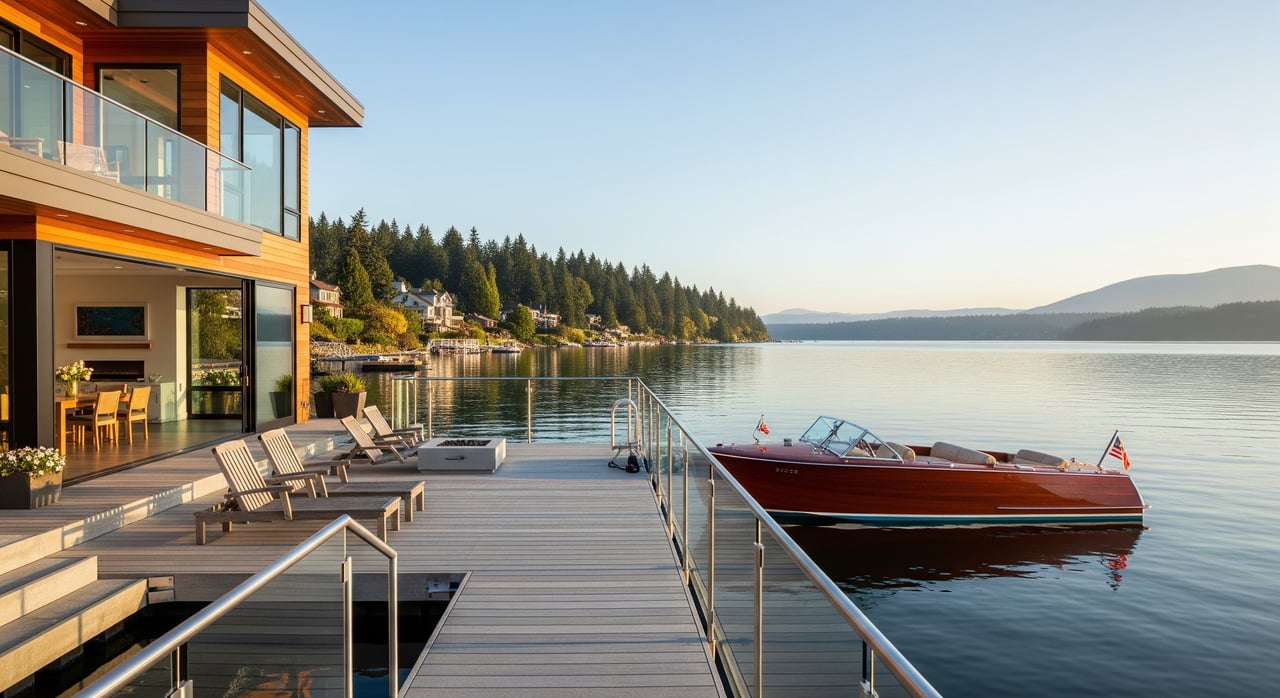
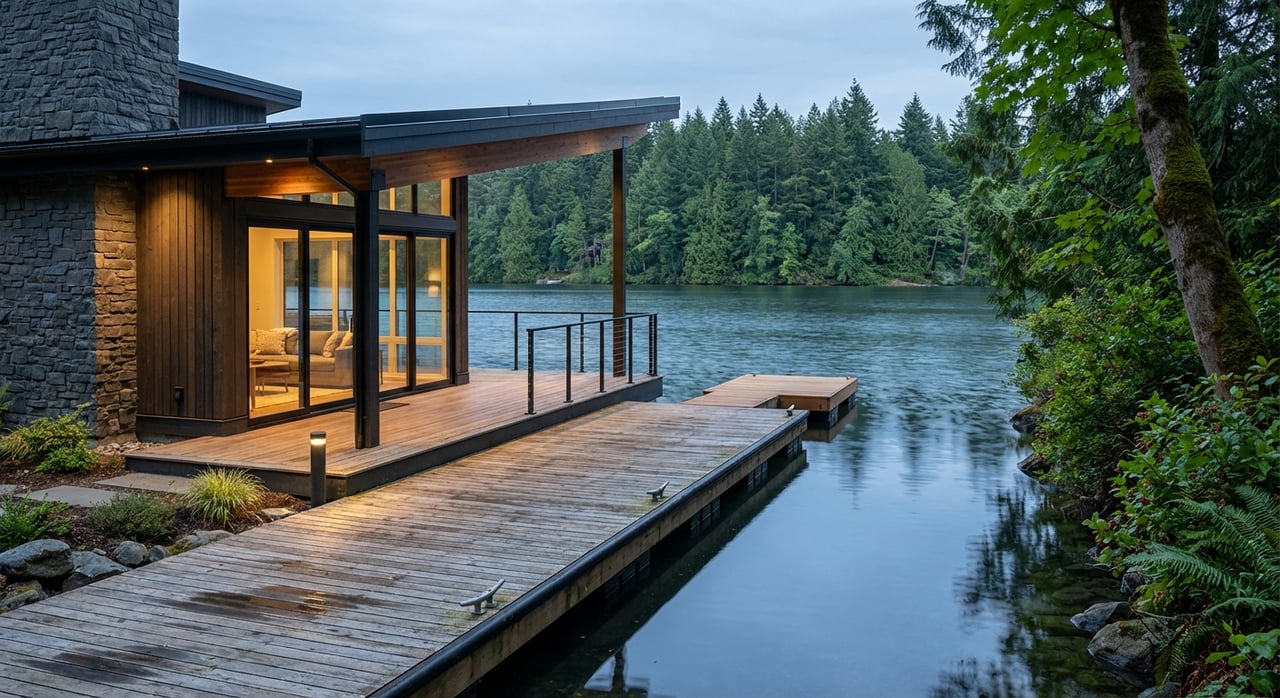
Coffee on the deck as the sunrise glows across still water. A quick paddle before your first meeting. Evenings that drift into dockside chats while the sky turns pink. If you are picturing life on Lake Sammamish, you are on the right track.
You want the outdoors to be part of your daily routine, but you also need clear expectations about maintenance, commuting, and seasonal rhythms. In this guide, you will learn what everyday life on the lake really looks like, plus the practical rules and resources that shape waterfront ownership in 98074. Let’s dive in.
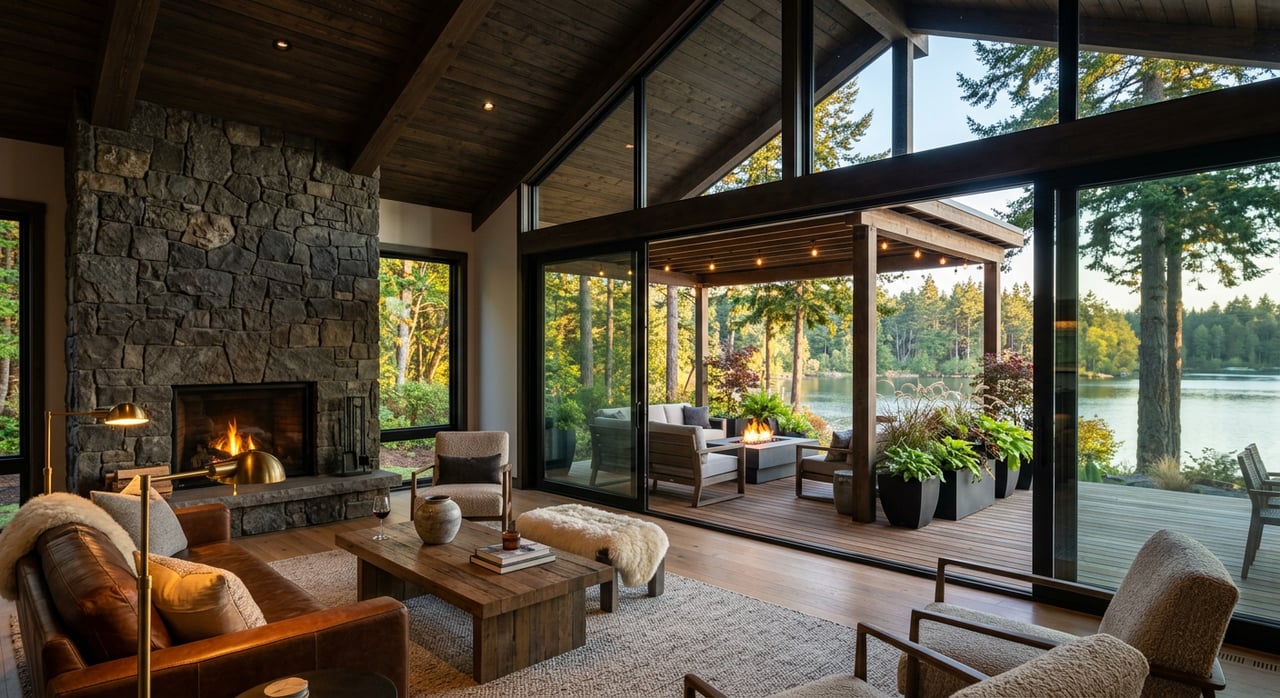
Many lakefront mornings begin quietly. You might step out to the deck with coffee, watch early light climb the ridgeline, then walk down to the dock for a short paddleboard or kayak session. In mild weather, outdoor living areas act like an extra great room where you read, work, or stretch before the day ramps up.
Remote or hybrid work is common, so midday breaks often include a quick row, shoreline walk, or a short beach visit. Families tend to plan school runs and activities across the Eastside, from Redmond to Issaquah and Bellevue. On warm days, you will see neighbors out on the water by late afternoon.
Summer evenings are the lake’s social hour. Expect relaxed boat cruises, casual dockside conversations, and small fireside gatherings where allowed. Active neighborhood groups and nearby parks bring people together, especially around shared lake access points.
You will see stand‑up paddleboards, kayaks, canoes, small runabouts, wakeboats, and fishing setups. Homeowners often install racks for boards, keep life jackets by the dock, and store inflatables for guests. If you prefer a beach day or a public launch, the region’s main hub is Lake Sammamish State Park, which offers beaches and a boat launch.
Washington’s Shoreline Management Act gives local governments a major role in regulating docks, bulkheads, and shoreline vegetation. If you plan to add or significantly repair a dock, modify a bulkhead, or remove shoreline vegetation, you will likely need permits and may face conditions on size, materials, and setbacks. Start with the City’s planning team and permit center at the City of Sammamish, and review county-level shoreline and critical areas guidance with King County Water and Land Resources.
Private docks typically require city or county approval, and some properties share slips through an HOA or community access. Expect rules that limit how many docks you can add, plus mitigation requirements in sensitive areas. Confirm what is allowed on a specific parcel before budgeting for upgrades.
Waterfront ownership includes routine and episodic work. Common tasks include dock and piling repairs, pressure washing, repainting or restaining, seasonal debris removal, shoreline vegetation management, and occasional bulkhead or riprap maintenance. Costs can be higher than inland homes, and large structural projects or permits can create one‑time spikes, so plan a maintenance reserve.
Many Sammamish properties connect to municipal sewer, though older or outlying parcels can differ. Verify your specific address with the City’s Public Works team. Shoreline lots also manage runoff carefully, often using permeable surfaces and native buffers to meet stormwater rules and reduce erosion.
Lakeshore parcels are not exposed to ocean surge, but low‑lying areas can see high water during major rain or storm events. Check parcel‑specific risk through the FEMA Flood Map Service Center and King County floodplain resources. Insurance premiums and endorsements may be higher on the waterfront, and insurability can be affected by erosion history or prior claims.
Recorded easements for utilities or access paths are common along the shoreline. Some homes include private moorage, while others rely on community slips or shared docks. Review title, native vegetation buffers, and rights‑of‑way early to avoid surprises.
Most residents use I‑90 to reach Seattle and the SR‑520/I‑405 corridors to get to Bellevue or Redmond. Depending on congestion and time of day, many Eastside commutes run roughly 20 to 45 minutes to Bellevue/Redmond and 25 to 60 minutes or more to downtown Seattle. Hybrid schedules mean some lake residents commute only a few days per week.
Express buses serve regional corridors, and the East Link light rail now connects parts of the Eastside, though there is no station directly on the lake. Many residents drive to the nearest transit hub, then use rail or express buses. For routes and schedules, check Sound Transit and King County Metro.
Summer weekends bring extra visitor traffic near public access points and boat launches. Streets with limited parking can see overflow from boat trailers and beachgoers.
As temperatures moderate, you will see more paddlers, pre‑summer shoreline cleanup, and early maintenance projects. Snowmelt and heavy rain can drive higher inflows, so docks and bulkheads deserve a quick check.
This is peak season for boating, swimming, SUP, fishing, and sunset cruises. Public beaches and launches are busiest. Warm, calm stretches are also when seasonal algae blooms are most likely, so watch for current advisories from the Washington State Department of Health and King County.
Cooler air, fewer boats, and colorful foliage set an easy pace. Wind and rain begin to pick up, and many owners start winterizing docks and watercraft.
Winters are generally mild, and the lake rarely freezes. Expect wind storms, heavy rain, floating debris, and higher water during strong systems, all of which can stress docks and shorelines.
Boater education and life jacket rules apply, and local enforcement patrols the lake on busy days. Be mindful of wakes near shorelines because waves can damage neighboring docks and accelerate erosion. For current safety guidance and lake enforcement information, consult the King County Sheriff’s Office.
Aquatic invasive species are a concern in freshwater systems. Clean, drain, and dry boats and gear, and follow decontamination recommendations from the Washington Department of Fish & Wildlife.
If you are drawn to mornings on the water and evenings on the dock, it pays to pair that dream with local, permit‑savvy guidance. From evaluating shorelines and docks to timing your move with seasonal rhythms, you deserve a trusted advisor who lives the lifestyle and knows the details that matter. When you are ready to tour lakefront options or prepare your home for market, reach out to Cheryl Hill for a calm, expert plan.
Stay up to date on the latest real estate trends.
Cheryl is humbled and honored to serve buyers and sellers in the often difficult process of buying or selling a home. Contact Cheryl today to discuss all your real estate needs!
Contact Cheryl To Learn More
ADDRESS
700 110th Ave NE #270
Bellevue WA 98004