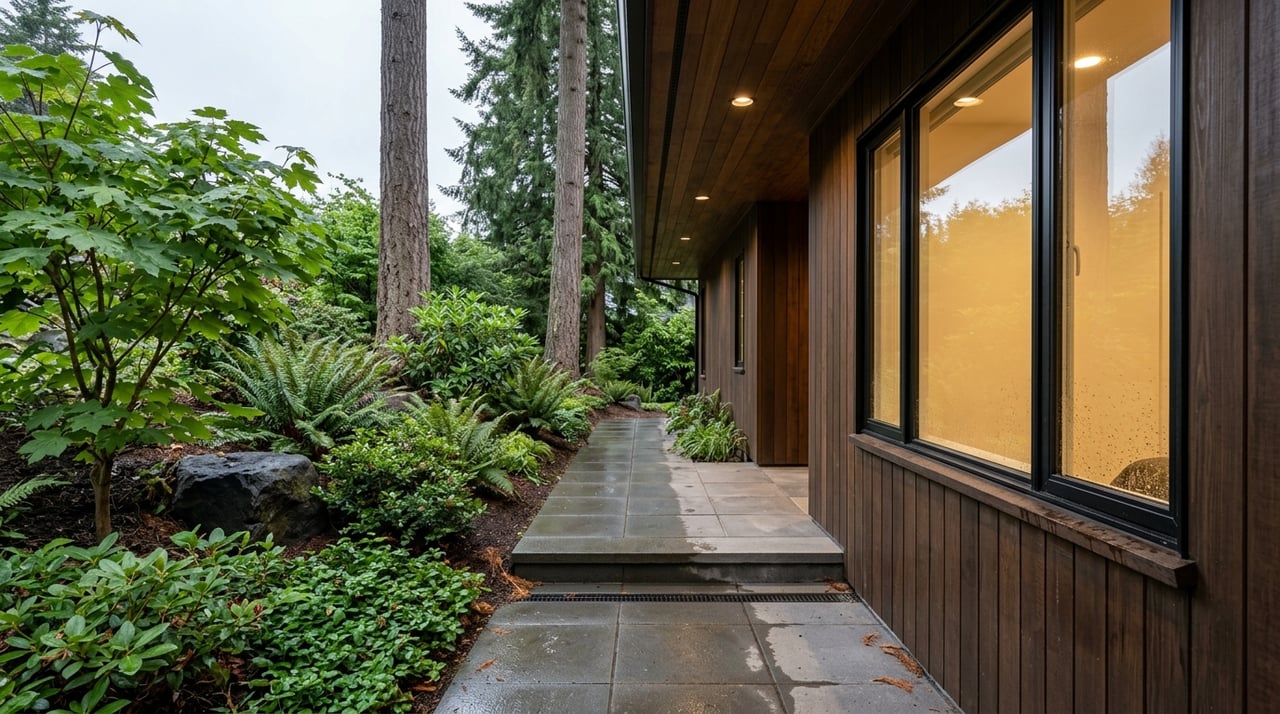
Living in Issaquah: Everyday Life, Trails & Community
April 16, 2026
April 16, 2026
If you are thinking about a move to Issaquah, you are probably wondering what everyday life actually feels like once the boxes are unpacked. Beyond the map pins and listing photos, daily routines here are shaped by easy trail access, commute options across the Eastside, and a steady calendar of community events. If you want a clearer picture of what it is like to live in Issaquah, this guide will walk you through the pace of life, the neighborhoods, and the rhythms that define the city. Let’s dive in.
Issaquah is a city of more than 40,000 on the east side of Lake Washington, about 16 miles east of Seattle. According to the City of Issaquah, Interstate 90 splits the city, with Olde Town and mountain recreation access on one side and Issaquah Highlands on the other.
That layout matters in daily life. Your routines can feel neighborhood-based, but the city is also built for movement across the region, with two major transit centers and convenient road access that connect Issaquah to Bellevue, Seattle, Redmond, and beyond.
Olde Town is often the first impression people get of Issaquah. The city describes it as a close-knit area with small-town charm, daily services, and options to get around by car, bus, bike, or on foot.
If you like the idea of a more established setting with local character, this part of Issaquah often stands out. It blends convenience with a neighborhood feel that supports errands, dining, and local events without always needing to head far from home.
Issaquah Highlands functions as an urban village with more than 4,000 homes. The neighborhood includes a community center, fire station, hospital, retail, preserved open space, 28 community groups, and 130 community garden patches.
For many residents, that creates a more structured live-work-play rhythm. You can picture a weekday that includes coffee, errands, a park stop, and an evening community event without leaving the neighborhood.
Talus is a 630-acre master-planned community on Cougar Mountain. The city highlights access to a trail network of about 200 miles, a nature preserve of more than 20,000 acres, and neighborhood events at Harvey Manning Park.
If direct outdoor access is high on your list, Talus offers a strong connection to the landscape. It is the kind of setting where trails are not just a weekend plan, but part of the everyday backdrop.
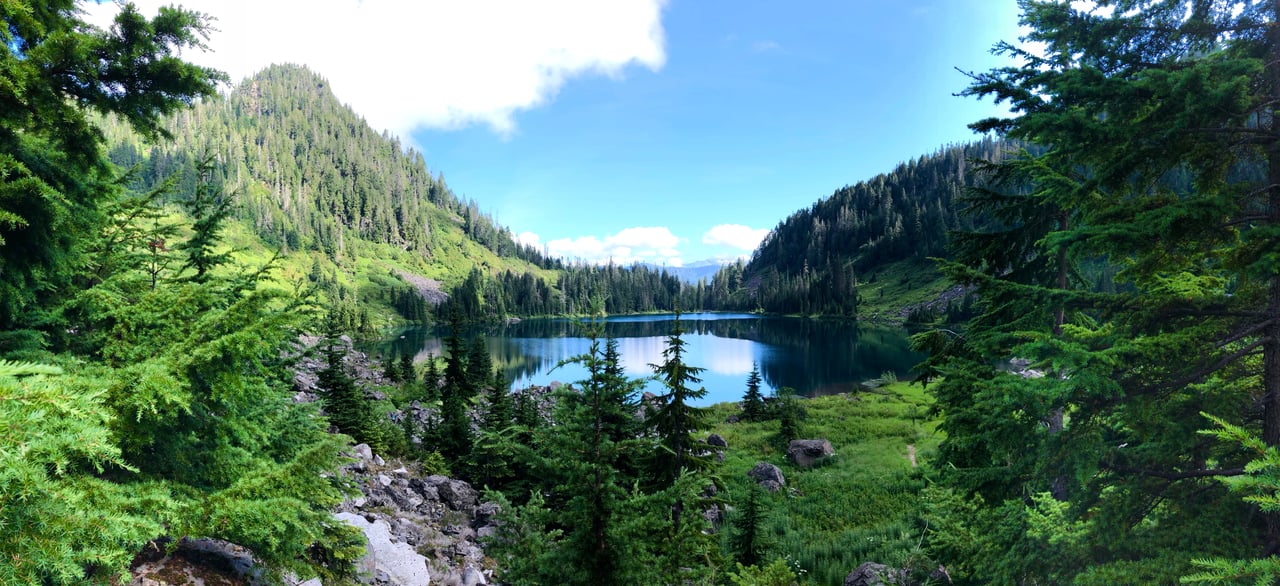
Issaquah calls itself Trailhead City, and the numbers help explain why. The city reports more than 200 miles of trails, over 60 trailheads, and 1,300 acres of open space.
That outdoor access is not framed as occasional recreation alone. On the city’s outdoor recreation page, Issaquah notes that employees can commute on connected bike paths or take a lunch-break walk through the woods, which says a lot about how nature is woven into the workweek.
Some of the better-known recreation spots include:
The city also points to the Issaquah Alps Trail Club, trail races in the Issaquah Alps, and mountain biking at Tiger Mountain and Grand Ridge as part of the local outdoor culture. If you are comparing Eastside communities, this is one of the clearest ways Issaquah distinguishes itself.
For many buyers, lifestyle is only half the equation. The other half is whether you can realistically get where you need to go during the week.
According to the city’s Issaquah by the Numbers, residents have access to I-90, I-405, State Routes 900 and 18, plus 2,000 park-and-ride spaces. The city also lists the average commute time for Issaquah residents at 27 minutes.
Road access is a major part of Issaquah life. The city’s economic development materials note that many residents commute outside the city for work, commonly to Seattle, Bellevue, or Redmond, and that only about 6 percent of jobs in Issaquah are filled by people who live in the city.
That means if you live here, regional connectivity matters. It is part of why Issaquah appeals to people who want a more outdoors-centered home base while staying linked to major job centers across the Eastside and Seattle.
The city says express buses can reach downtown Bellevue in about 20 minutes and downtown Seattle in about 30 minutes, with service to places that also include First Hill, the University District, Northgate, Overlake, and Sammamish. If transit is part of your routine, Issaquah does offer meaningful commuter support.
For example, the ST Express 556 schedule shows weekday westbound departures from Issaquah Highlands Park & Ride at 5:12 a.m. and Issaquah Transit Center at 5:21 a.m., with stops that include Eastgate, South Bellevue Station, and Bellevue Transit Center. The current schedule is most useful for peak commute windows, which is worth keeping in mind if you want all-day flexibility.
Traffic is part of the picture in any major metro-connected area. The Washington State Department of Transportation mobility dashboard describes I-90 between Seattle and Issaquah as a key commute and economic corridor, and notes that the Eastgate-to-West Lake Sammamish segment carries more than 130,000 vehicles per day.
In practical terms, that means commute timing still matters. If you work on the Eastside or in Seattle, your experience may depend just as much on when you travel as where you are going.
Issaquah’s appeal is not just about access or scenery. The city also has a strong pattern of public events and community gathering points that keep local life active throughout the year.
The city’s arts and culture programming includes summer ArtWalks, Concerts on the Green, outdoor Shakespeare, music at the Saturday Farmers Market, and recurring film, music, and literary events. That gives the city a social rhythm that feels active without feeling overwhelming.
The city’s events calendar highlights recurring events such as:
One of the biggest annual traditions is Salmon Days. The city says more than 150,000 people visit each October, and the festival centers on downtown and the salmon hatchery grounds.
The Issaquah Farmers Market runs every Saturday from May through September and averages about 3,900 shoppers per market. That kind of turnout says a lot about how people gather here and how much local routines can revolve around shared public spaces.
Community life also includes the city-supported community garden at Confluence Park, two community-run pea patches, Green Issaquah, and volunteer opportunities tied to parks and farmers market events. For many residents, these are the kinds of touchpoints that help a place feel connected over time.
The Issaquah Salmon Hatchery is open year-round from dawn to dusk and includes exhibits, a fish ladder, and viewing decks over Issaquah Creek. It is both a visitor destination and a familiar part of local life.
If you are trying to understand Issaquah’s identity, the hatchery is a good example of how the city blends nature, civic life, and tradition. It is easy to see why it remains one of the area’s signature gathering places.
Issaquah offers a mix that can be hard to find in one place. You get neighborhood variety, meaningful trail access, regional commute routes, and a community calendar that stays active across the seasons.
For some people, the main draw is being able to start the day on a trail and still make it to Bellevue or Seattle for work. For others, it is the blend of outdoor access and neighborhood-centered routines that makes Issaquah feel like home.
If you are weighing a move on the Eastside, it helps to look beyond square footage and finishes. The real question is how you want your day-to-day life to feel, and Issaquah offers a distinct answer built around movement, nature, and community.
If you are exploring Eastside neighborhoods or preparing for a move, Cheryl Hill can help you evaluate how Issaquah fits your lifestyle and home goals with thoughtful, local guidance.
Stay up to date on the latest real estate trends.
Cheryl is humbled and honored to serve buyers and sellers in the often difficult process of buying or selling a home. Contact Cheryl today to discuss all your real estate needs!
Contact Cheryl To Learn More
ADDRESS
700 110th Ave NE #270
Bellevue WA 98004