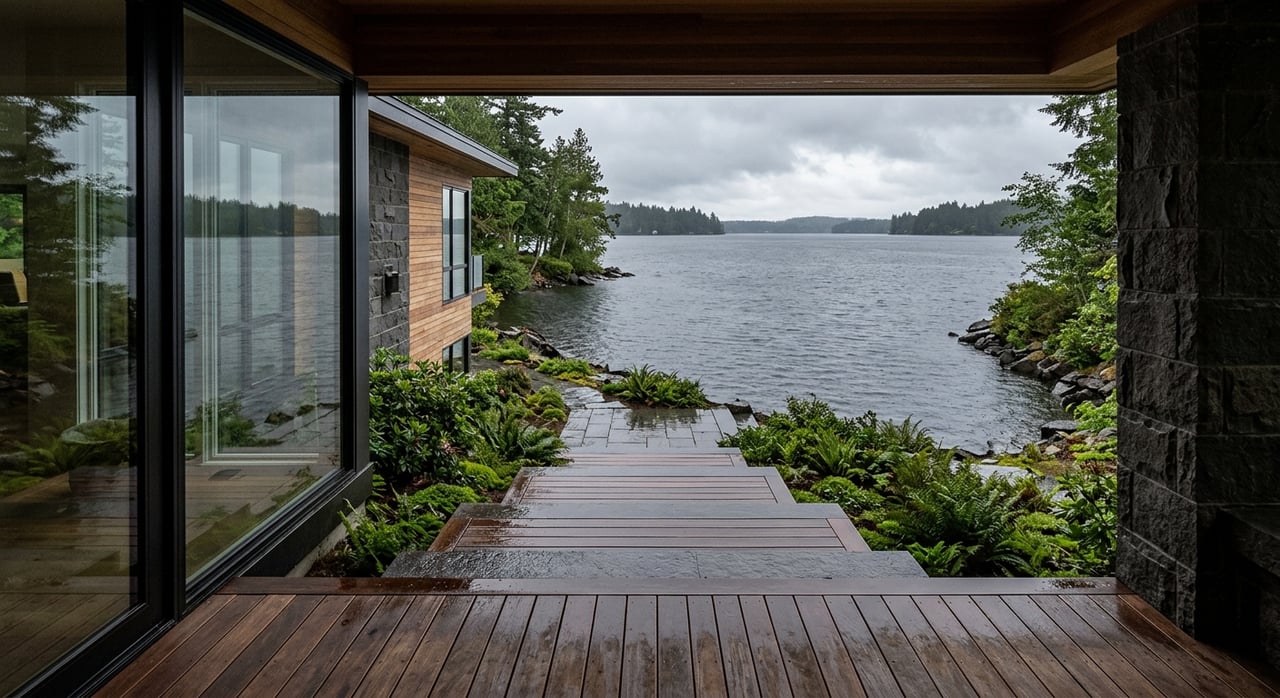
Buying On Lake Sammamish: What Waterfront Buyers Should Know
May 14, 2026
May 14, 2026
If you are dreaming about buying on Lake Sammamish, you are not just shopping for a house. You are buying into a very limited stretch of shoreline, a unique set of rules, and a lifestyle that looks simple from the water but can be complex on paper. The good news is that with the right due diligence, you can move forward with more confidence and fewer surprises. Let’s dive in.
Lake Sammamish is a major recreational lake in King County and a Water of Statewide Significance. It stretches about 8 miles, covers 4,897 acres, and supports activities like boating, fishing, swimming, and water skiing. That alone makes waterfront property here feel special.
The market around 98074 is already competitive before you narrow the search to waterfront homes. In March 2026, Redfin reported a median sale price of about $1.6 million, with homes selling in about 9 days and receiving 2 offers on average. Zillow and Realtor.com show slightly different numbers, but the overall picture is the same: this is a high-value, fast-moving market.
For true waterfront buyers, the supply is even tighter than those ZIP code numbers suggest. Shoreline jurisdiction can extend 200 feet landward from the water’s edge and may also include floodplain and wetland areas. In practical terms, that means fewer lots, more regulation, and a smaller pool of homes that offer the exact mix of access, privacy, and usability you may want.
When you tour a Lake Sammamish property, the headline feature may be the view. But the real value usually comes down to a more detailed set of questions. You want to understand not only what you see today, but also what the lot supports over time.
Not every lakefront view is the same. One property may look across open water, while another faces down the shoreline or toward the opposite bank. That difference can shape how the home feels day to day and how much natural light, privacy, and visual openness you enjoy.
Trees, native vegetation, and shoreline improvements also matter. Sammamish’s shoreline regulations are designed in part to preserve native vegetation along the lake edge, so buyers should not assume every tree can be removed or every sightline can be opened up later. If the view is central to your decision, it is smart to evaluate it as a regulated feature, not just an aesthetic one.
Some parcels are straightforward single-family waterfront lots. Others may involve private lakeside recreation or joint-access arrangements. City materials note that parts of the Lake Sammamish shoreline include parcels used for shared access, which can affect how you think about dock rights, shoreline enjoyment, and future improvements.
This is one reason buyer expectations need to be very specific. A home with water adjacency is not always the same as a home with simple, direct, and fully private lake use. Before you get too far into a purchase, confirm exactly what kind of access comes with the property.
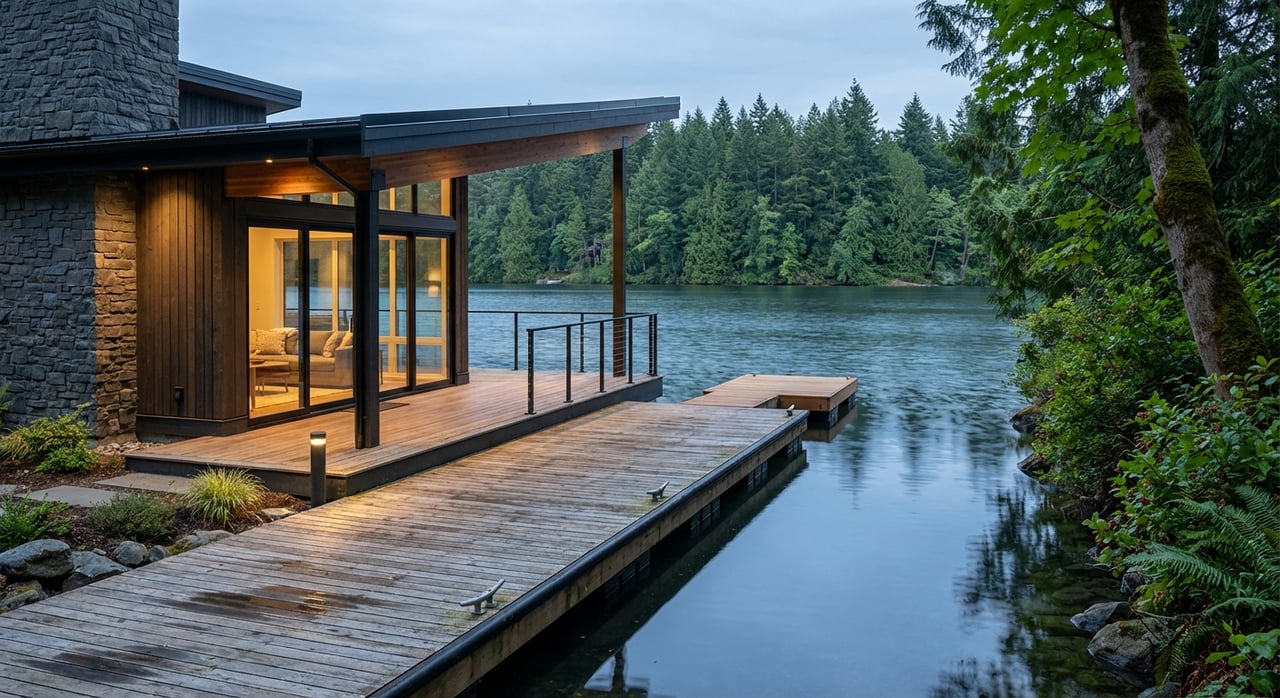
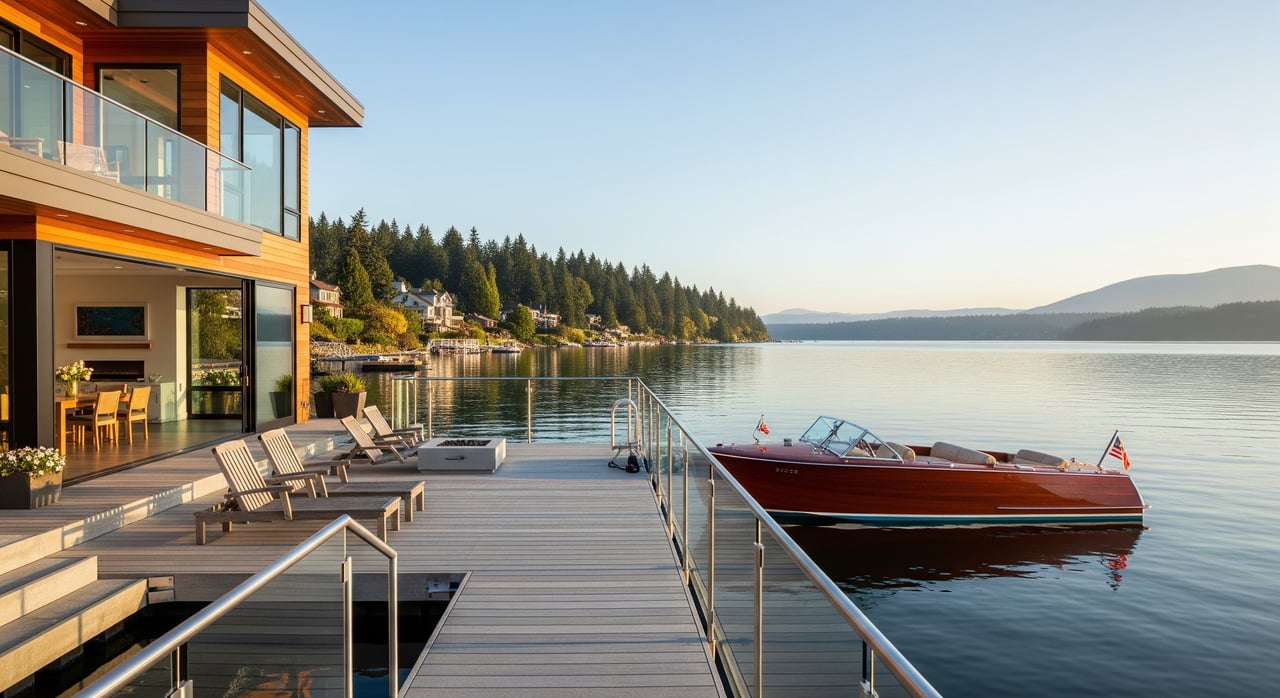
For many buyers, the dock is not just an amenity. It is a major part of the property’s value. Sammamish code allows certain docks, floats, mooring buoys, and watercraft lifts if standards are met, and the city notes that a single-family property on Lake Sammamish may have up to two personal watercraft lifts and two boat lifts.
At the same time, there are clear limits. New launch ramps or rails for private residential development are prohibited. So if you are counting on adding a private ramp later, that plan may not be realistic.
Waterfront buyers often focus on what exists today. Just as important is what you may want to repair, expand, rebuild, or change later. On Lake Sammamish, shoreline work is heavily regulated, and that can directly affect value and long-term enjoyment.
In Sammamish, work within shoreline jurisdiction can require a separate permit. That can include grading, tree removal, retaining walls, detached structures, and certain dock work. Even repairs may need to go through the city’s shoreline exemption process.
The city’s permit options include shoreline exemption letters, shoreline substantial development permits, shoreline conditional use permits, and shoreline variances. If a variance is required, the Washington Department of Ecology must also approve it. For buyers, that means future improvements may involve more time, more documentation, and more professional review than a typical inland property.
Current Sammamish code treats single-family residential use as a preferred shoreline use, but it still places limits on where improvements can go. New residential development generally must sit landward of the shoreline setback unless specifically allowed. The city also requires 45% yard area in shoreline residential areas.
Those standards can affect how much flexibility you really have. A large lot on paper may still have meaningful constraints once setbacks, vegetation areas, and shoreline rules are factored in. That is why lot usability deserves as much attention as square footage.
One of the biggest mistakes buyers make with waterfront property is assuming the site works like a typical suburban lot. On Lake Sammamish, the shoreline and floodplain relationship can change what is possible.
Sammamish says its only mapped and regulated flood hazard zone is along the Lake Sammamish shoreline. The city also requires floodplain habitat review for many projects. Depending on the scope of future work, a more complex proposal may require a qualified habitat biologist and coordination with the broader project team.
That matters even if you are not planning a major remodel right away. If you may eventually replace a bulkhead, alter grading, build a detached structure, or rework landscaping, floodplain review could become part of that process.
Before removing contingencies, review the property’s past permits and visible shoreline features carefully. That includes erosion history, existing bulkheads, and any prior shoreline stabilization work. A waterfront home can look turnkey while still carrying longer-term maintenance or permitting considerations below the surface.
This is also where experienced local guidance helps. A strong waterfront purchase is not just about liking the house. It is about understanding the site.
On Lake Sammamish, due diligence needs to be more thorough than it would be for many inland homes. You are evaluating the structure, the lot, the shoreline, and the rules that govern all three.
King County’s property research tools can help you confirm zoning, setbacks, critical areas, flood zones, landslide hazards, and water, sewer, or septic details. Useful starting points include Parcel Viewer, iMap, the eReal Property report, and the Districts and Development Conditions report.
King County also advises buyers to do this research early and to work with a professional consultant when local rules or site conditions warrant it. On waterfront property, that early review can save you from expensive assumptions later.
If the home has a septic system, King County requires a certified inspection before title transfer unless a waiver applies. For shoreline homes, septic status is especially important because failures can affect nearby lakes and streams.
You should also confirm the basic utility layout shown in site and permit materials. Shoreline review can involve water, sewer, and septic information in a level of detail that many non-waterfront buyers do not expect.
Jurisdiction can change the rules that apply to a property. King County advises buyers to confirm whether a parcel is in unincorporated King County before making permit assumptions. Around Lake Sammamish, city rules, county rules, and Ecology oversight can all intersect.
That means you should not rely on general waterfront assumptions or what worked on another property. The right answer depends on the parcel, the jurisdiction, and the scope of the work.
Over-water property lines are not always simple. Sammamish notes that locating property lines that extend into the water is not straightforward, and the ordinary high-water mark may need to be determined by an environmental professional depending on the project.
For a buyer, that makes title, survey, and shoreline review far more important than they may be in a standard suburban purchase. If your buying decision depends on dock location, shoreline use, or future improvements, these details need to be confirmed early.
The best waterfront purchases usually happen when emotion and discipline work together. You want to move quickly enough to compete, but carefully enough to understand the asset you are buying. In 98074, where homes can move fast, that balance matters.
A practical strategy often includes:
When that process is handled well, you are in a much better position to judge whether a property is truly a fit for your goals. That is especially important if you are buying for long-term enjoyment, legacy ownership, or future improvements.
Lake Sammamish homes ask more of a buyer than a standard move-up purchase. You are weighing market speed, luxury pricing, shoreline regulation, and property-specific constraints all at once. That is exactly why local, detail-oriented guidance can make such a difference.
If you are considering a Lake Sammamish purchase, working with someone who understands both the lifestyle and the process can help you avoid preventable missteps. From evaluating view and dock value to helping coordinate the right due diligence conversations, the goal is simple: help you buy with clarity.
If you are ready to explore Lake Sammamish waterfront opportunities or want help evaluating a specific property, connect with Cheryl Hill for thoughtful, high-touch guidance tailored to the Eastside market.
Stay up to date on the latest real estate trends.
Cheryl is humbled and honored to serve buyers and sellers in the often difficult process of buying or selling a home. Contact Cheryl today to discuss all your real estate needs!
Contact Cheryl To Learn More
ADDRESS
700 110th Ave NE #270
Bellevue WA 98004